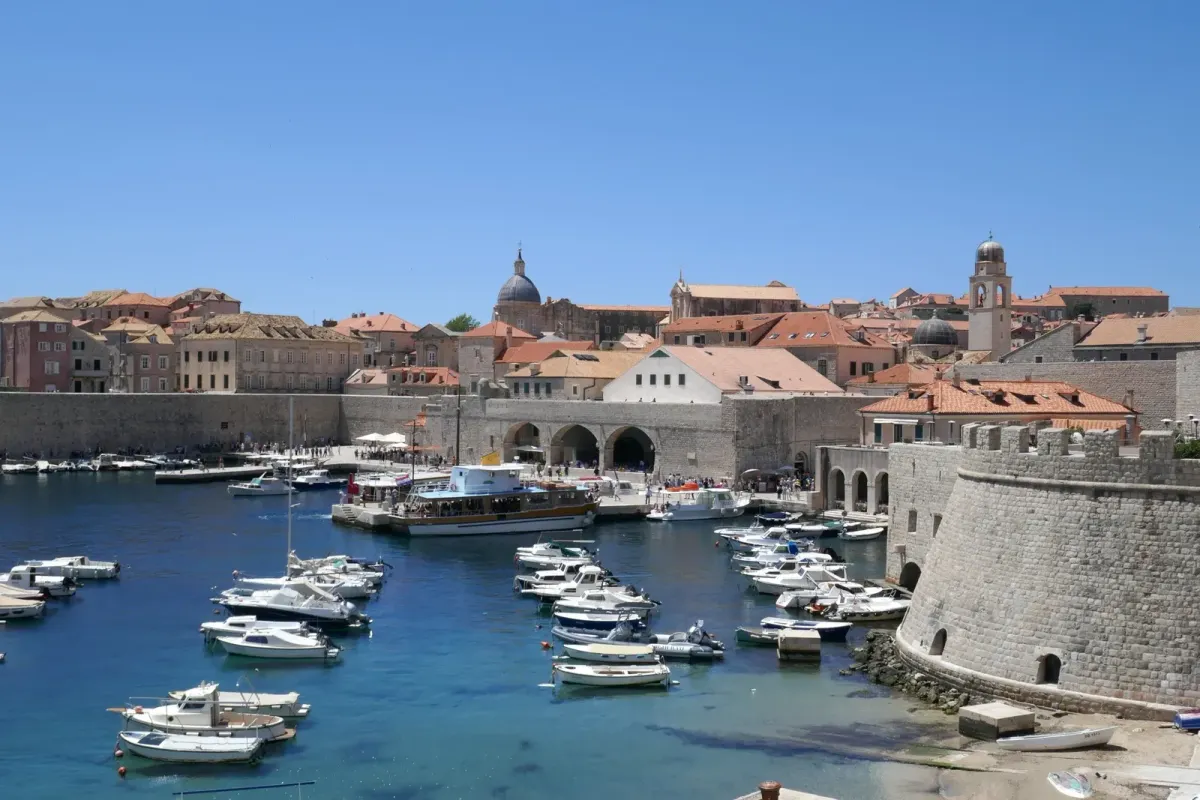
A resident of Ragusa could be made to spend a month outside the city for visiting someone who was already waiting there. Bringing food without the required permission carried the same consequence. The rule concerned the people inside the boundary as well as the arrivals it kept outside.
These provisions appear in an ordinance adopted on 27 July 1377 by the city's Major Council. Ragusa, now Dubrovnik on the Adriatic coast, was a trading port. Its government was trying to protect the city from plague without simply abandoning the connections on which the port depended.
People coming from plague-affected places would have to wait before admission. In the meantime, they still needed necessities, and residents could cross a boundary that incoming travellers had been forbidden to pass. The ordinance had to address both kinds of movement.
Who had to wait
The ordinance survives in the city's Green Book, the Liber viridis. Its Latin text and an English translation are reproduced in the municipal history of Dubrovnik's lazarettos, on pages 171 and 172.
The first provision applies to people coming from places affected by plague. It explicitly includes local people as well as outsiders. A returning resident's connection to Ragusa did not remove the condition created by where they had been.
Before entering the city or its district, they were to spend a month at Mrkan, an island, or at Cavtat. The original clause names these two places. Other islands appear in later accounts as the system developed.
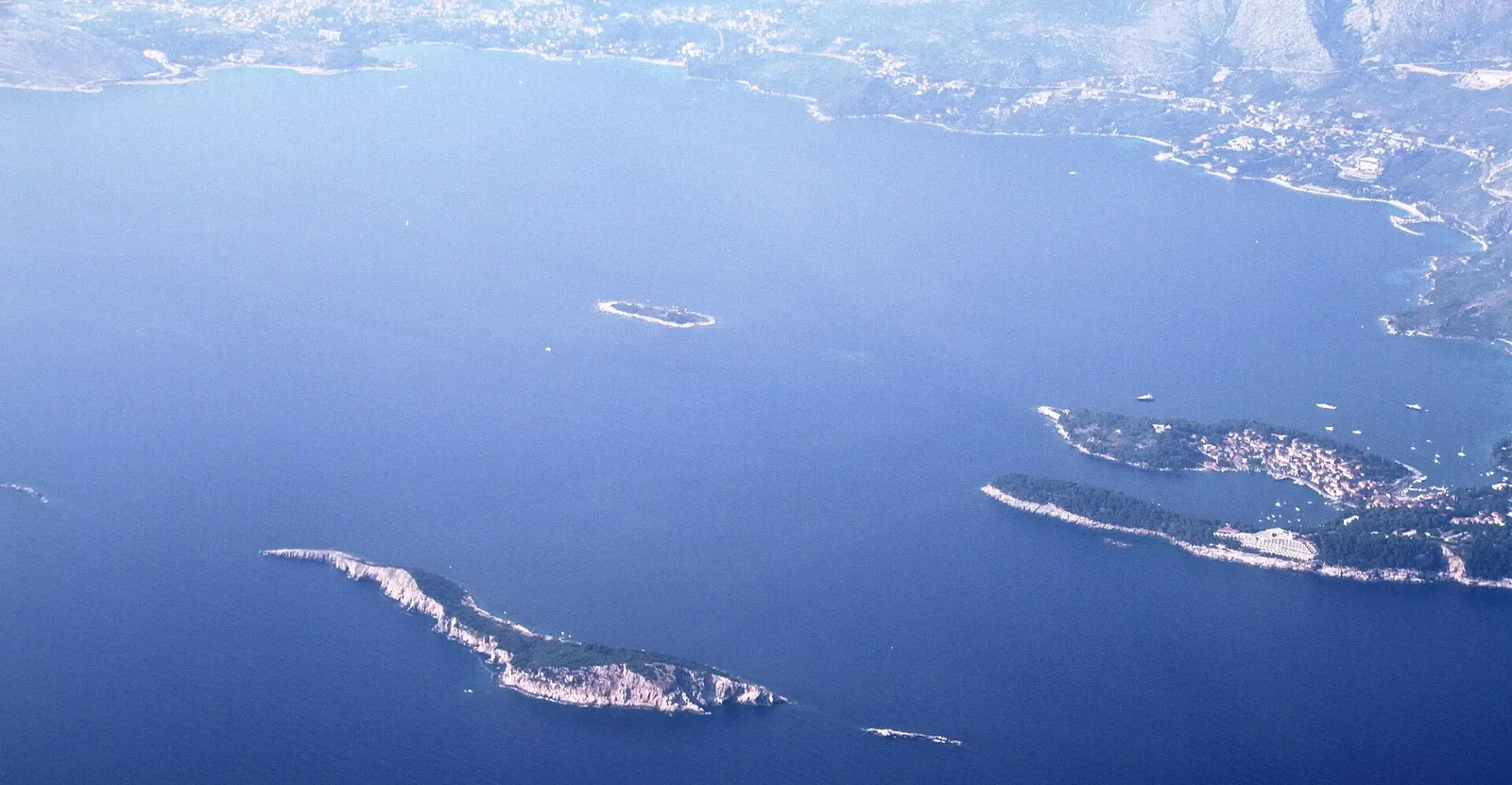
Place of origin supplied a reason to delay admission without waiting for every arrival to display an unmistakable illness. A month outside the city separated arrival from entry, but this arrangement does not establish that the council possessed a modern theory of incubation. The Latin describes a period of purgation, rendered as disinfection in the supplied English translation. The translated word should not be read as a modern sterilization procedure.
A boundary that residents could cross
The next provision turns towards Ragusa itself. People from the city and its district were forbidden to visit those waiting at Mrkan or Cavtat. If they did, they faced a month there themselves. A resident who went out to meet an arrival could reconnect the separated groups, so the rule attached a consequence to that movement as well as to entry.
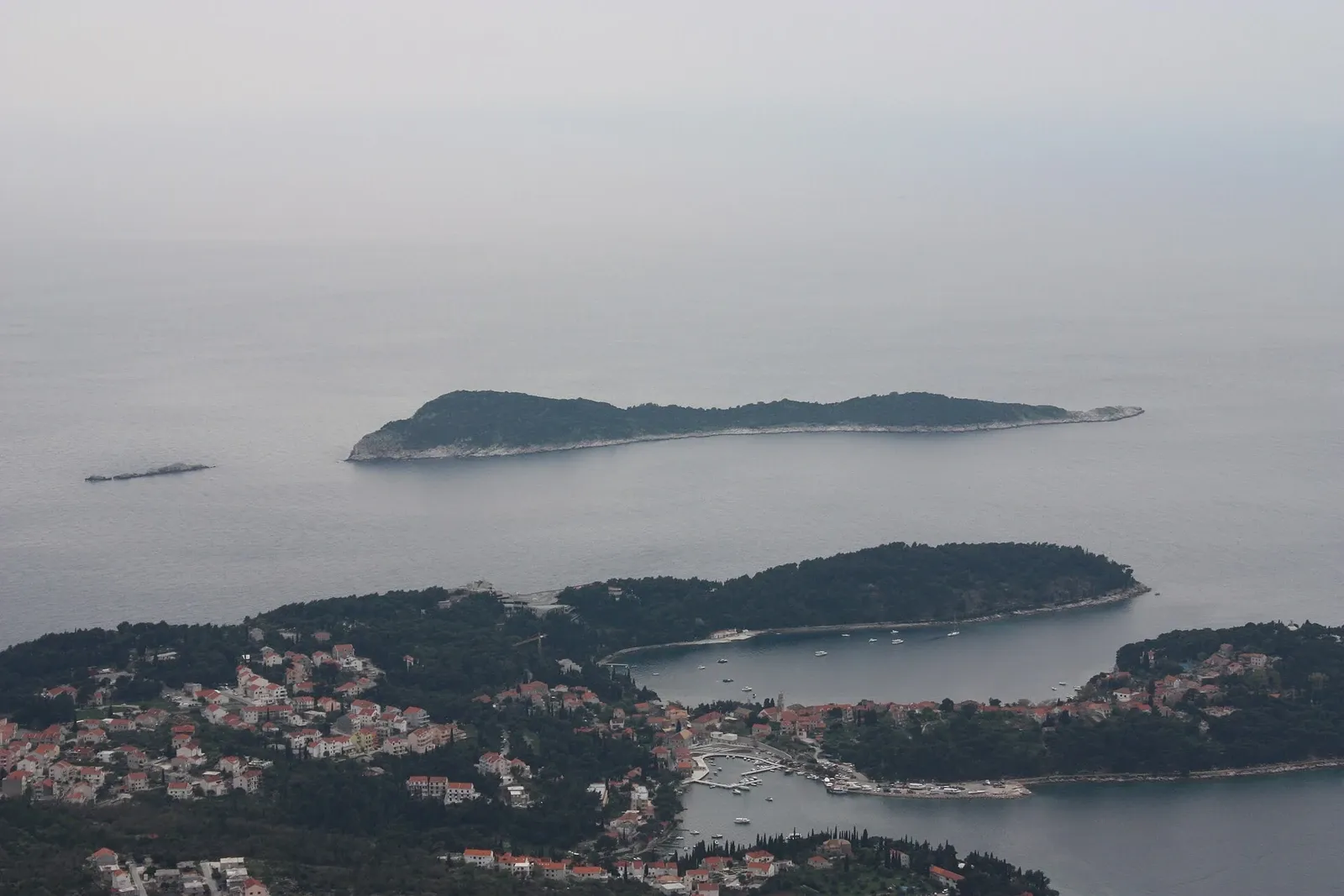
Food and other necessities could cross the boundary, but those carrying them needed permission from designated officials before approaching the detained people. The same month-long penalty applied to unauthorized provision. A permitted supply task and a forbidden visit might both bring someone to the waiting place, yet the ordinance distinguished them through official permission. Necessary contact remained possible under supervision, rather than being treated as an exception that required no rule.
Keeping a port connected
For a maritime trading city, shutting out an entire region could threaten ordinary business as well as particular visitors. Architectural historians Ana Marinković and Petar Strunje place that difficulty at the beginning of their study of Ragusa's quarantine sites. Dubrovnik connected Mediterranean routes with the Balkan hinterland. Regional exclusion was a severe constraint on such a position.
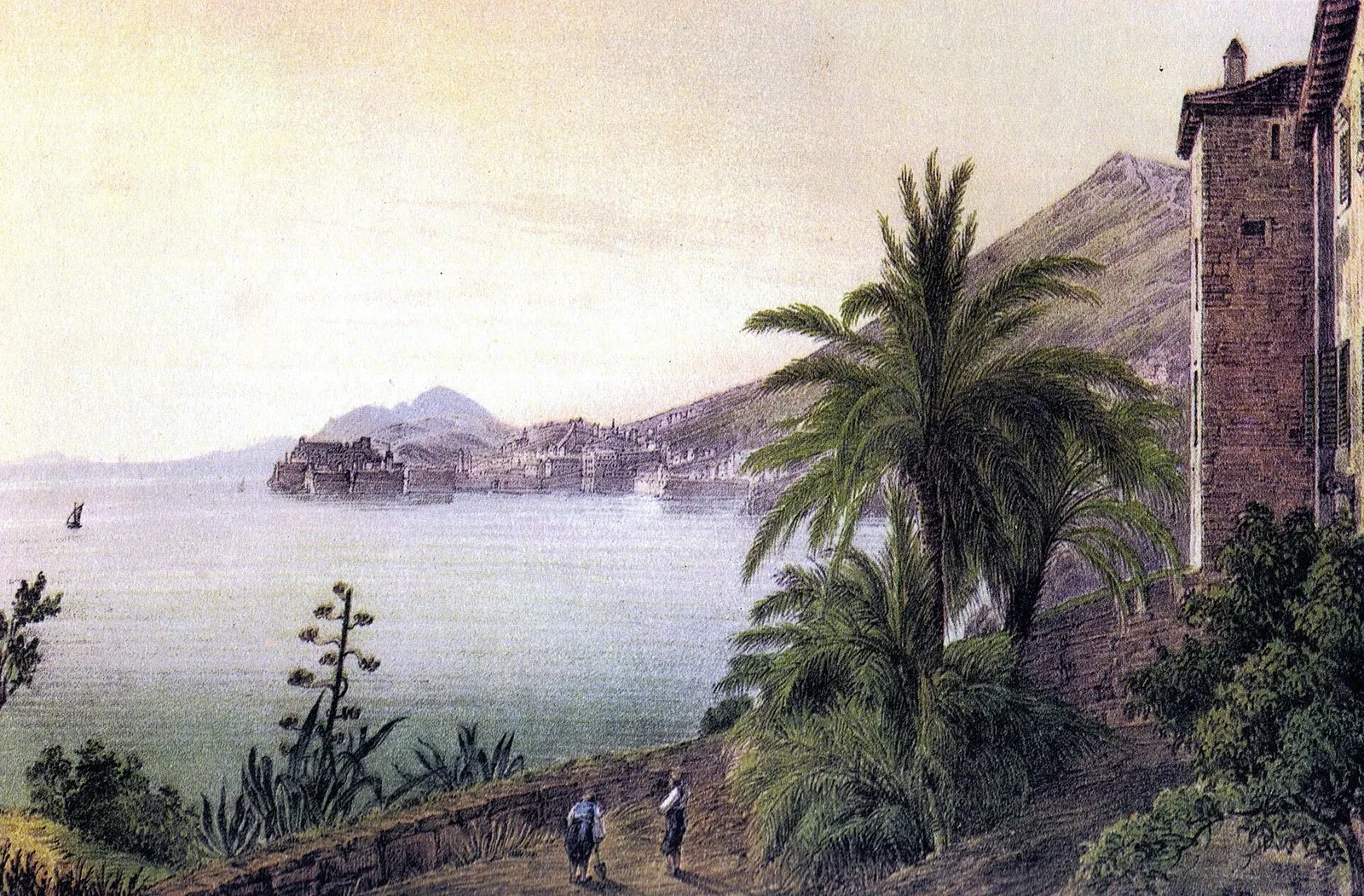
Conditional admission preserved a possibility that permanent refusal would remove. Arrivals could remain at designated places while the required time passed, with necessary contact subject to permission.
These are the council's prescriptions, not a record showing that every traveller complied, every official enforced the rule or everyone waiting received adequate care. The ordinance tells us which contacts the city decided to regulate. Assessing how well those arrangements operated requires evidence beyond the legal command.
The rule came before the familiar buildings
The surviving lazarettos near Dubrovnik's walls can make quarantine look like a single institution that arrived fully built in 1377. The architectural history is longer. Different locations and buildings were established later, and sites could serve different functions at the same time.
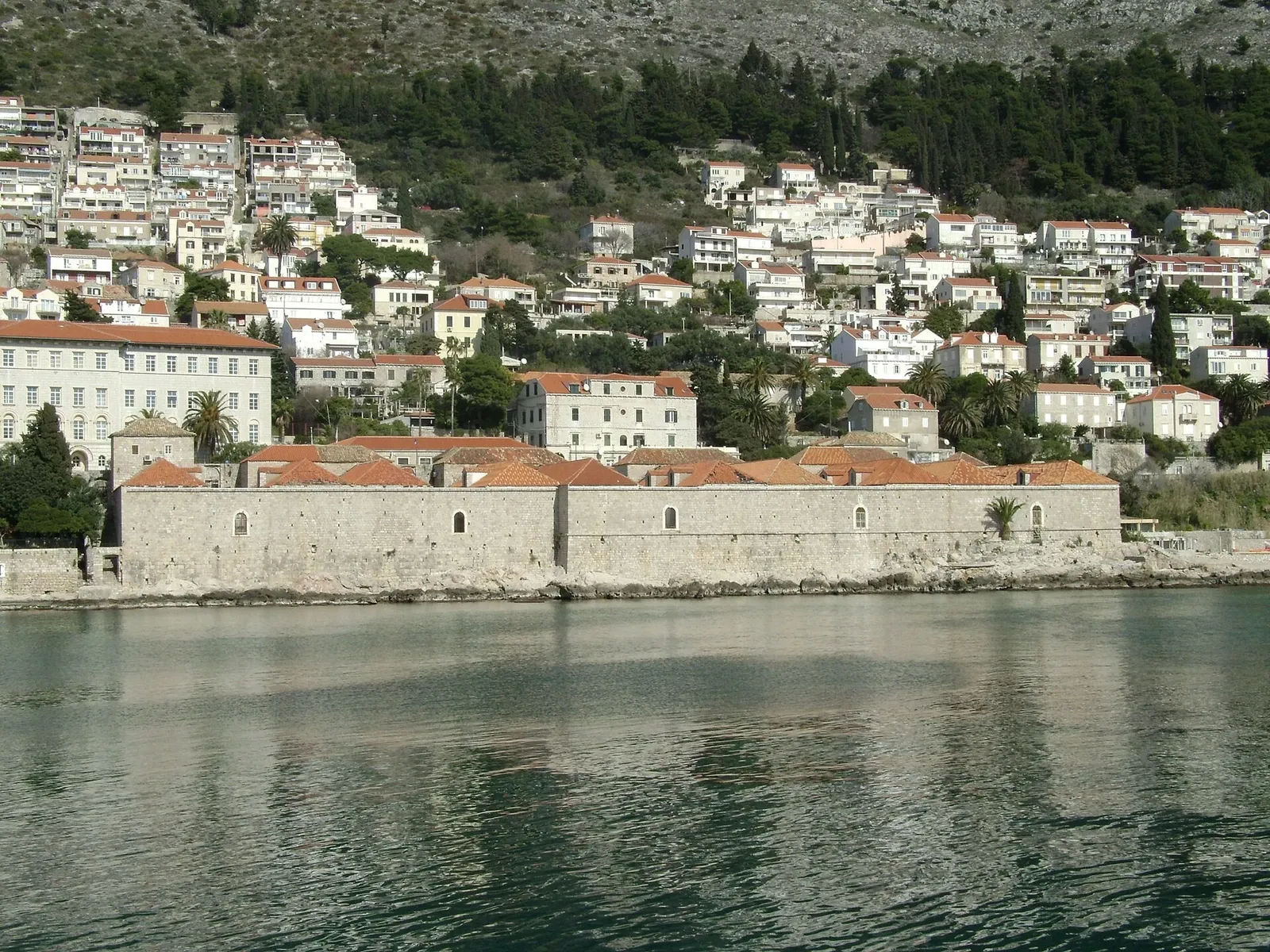
A fifteenth-century observer, Felippo de Diversis, describes a more developed organization. In the translation reproduced in the municipal monograph, health officials oversee arrivals, a person who remains healthy can be admitted after a month and detention can be extended. That is a later account. It helps show how much administration a waiting system could acquire, without allowing us to move all its details back into the original ordinance.
The original ordinance's final provision adds another obligation. Disobedience incurs a fine of fifty hyperperi, but the offender is still required to observe the rules. The fine sits alongside continued compliance rather than replacing it. Bringing supplies without permission or crossing out to visit could make a resident subject to the month as well as a financial penalty. Paying the city was not a way to buy immediate release from its boundary.