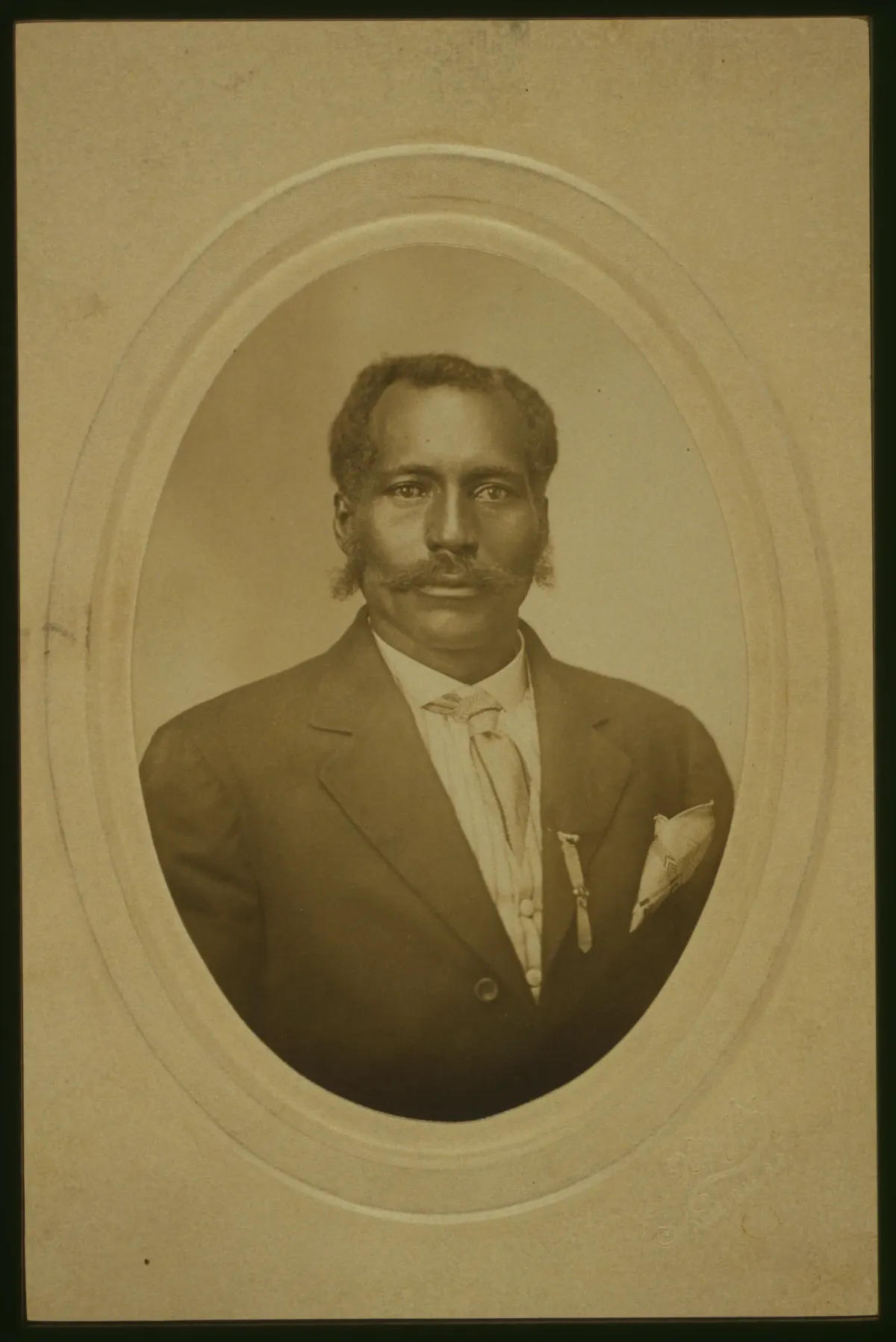
In her later research on Abbeville families’ migration, Doria Johnson describes an appeal by Anthony Crawford’s eldest son, Walter, to Governor Richard I. Manning for assistance and protection. Johnson, Anthony’s great-great-granddaughter, cites December 1916 correspondence and reports that Manning had sent a private investigator but could not assure the family’s safety. The Crawfords had land they wished to remain on. The exchange came after the November meetings, when assurances had already been published.
In October, before those assurances, violence had spread beyond the Crawford family in Abbeville, South Carolina. Anthony Crawford was a prosperous Black farmer. In 1888 he had bought land bordering his father’s and brother’s farms, and his own children later had farms nearby. His confrontation with a white merchant over cottonseed prices on October 21, 1916, was followed by assaults and confinement. A white mob took him from the county jail and lynched him. According to the Abbeville Press and Banner, a crowd at an October 23 courthouse meeting voted to require Crawford’s immediate family to wind up its affairs and leave South Carolina by November 15. Some attendees wanted them gone at once. After the meeting, a portion of the crowd went through town closing Black establishments and told their owners to keep the shops shut indefinitely. The demand against one family thus came with a wider assault on Black commercial life. Residents outside the Crawford family could see that ordinary business offered little shelter from intimidation.
Customers and workers
The commercial consequences soon reached white businesses. Historian Terence Finnegan reports that African Americans refused to shop at white merchants’ stores. In his account, Mayor C. C. Gamble acknowledged a sharp fall in business and the rapid departure of Black laborers. If a customer withheld a purchase, a merchant lost receipts even if the customer stayed home. If a worker moved away, labor could be lost for good. That prospect concerned farming as well as trade. Choices made to get out of danger could thus impose costs well beyond the businesses involved in the original confrontation. Finnegan connects these pressures to white businessmen’s public opposition to forcing the Crawford children from the county.
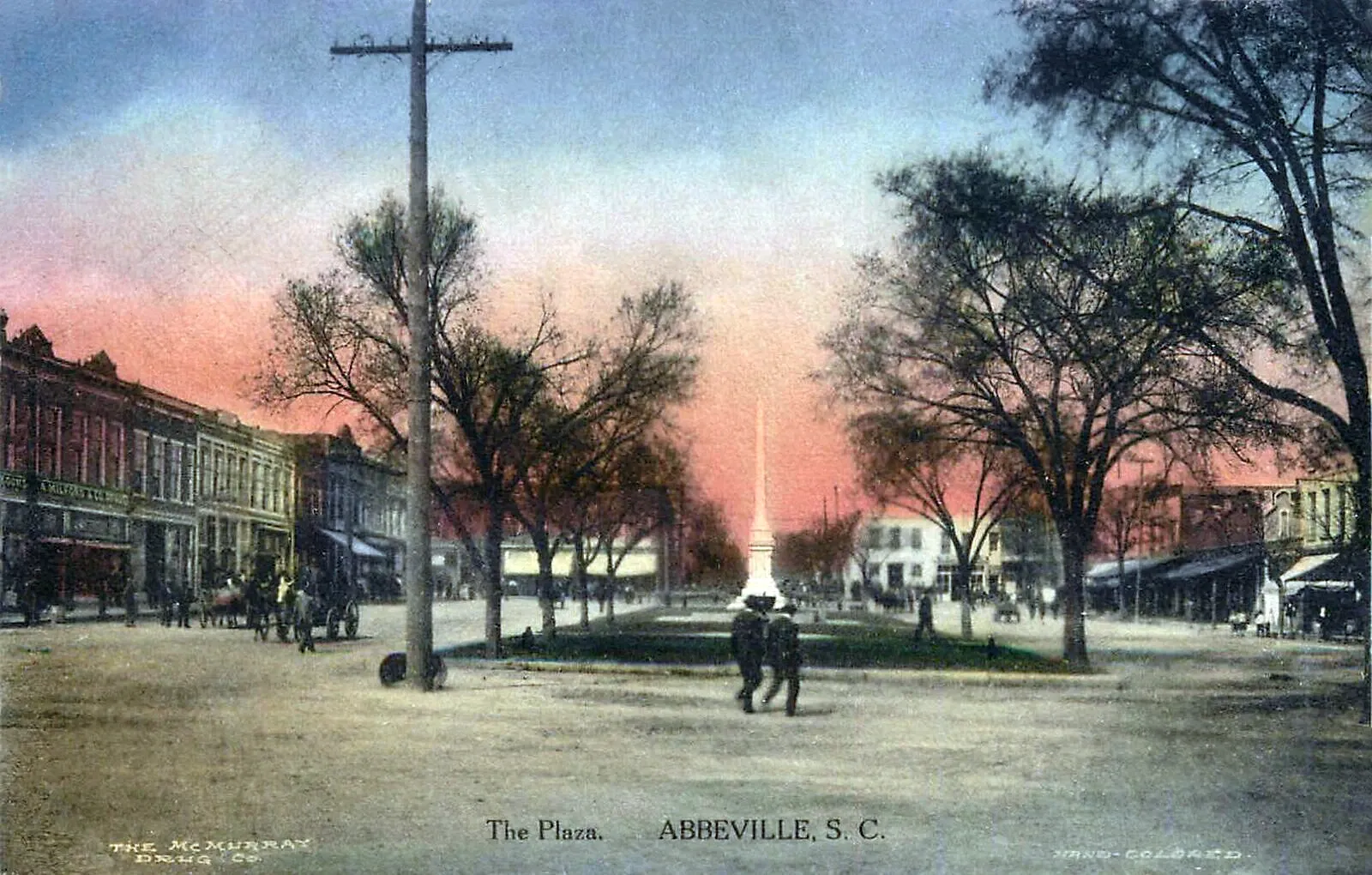
Opposition to further expulsion did not require a change in beliefs about racial equality. Finnegan records that J. Allen Smith, president of the National Bank of Abbeville, had defended the idea of beating Crawford. A desire to restore commercial activity could coexist with approval of beating Crawford.
Calling the withdrawal a boycott can suggest more organization than the available accounts establish. They identify no coordinating body of Black shoppers or agreed terms for resuming trade. Refusal to buy, avoidance of town and migration could overlap. The accounts do not show that every refusal was a deliberate act of protest. The commercial consequences of these choices are clearer than any common plan behind them.
Promises of protection
In the first week of November 1916, less than three weeks after the lynching, citizens meeting in Abbeville pledged to support the sheriff, mayor and police in protecting people regardless of color. Published in the Abbeville Press and Banner, their resolutions contemplated state and federal help and proposed investigating a local military company. They did not record that a protective force had been deployed. In a town where a commercial dispute had just ended in a lynching and Black businesses had been forcibly shut, one pledge made protection conditional on obeying state laws and pursuing legitimate business.
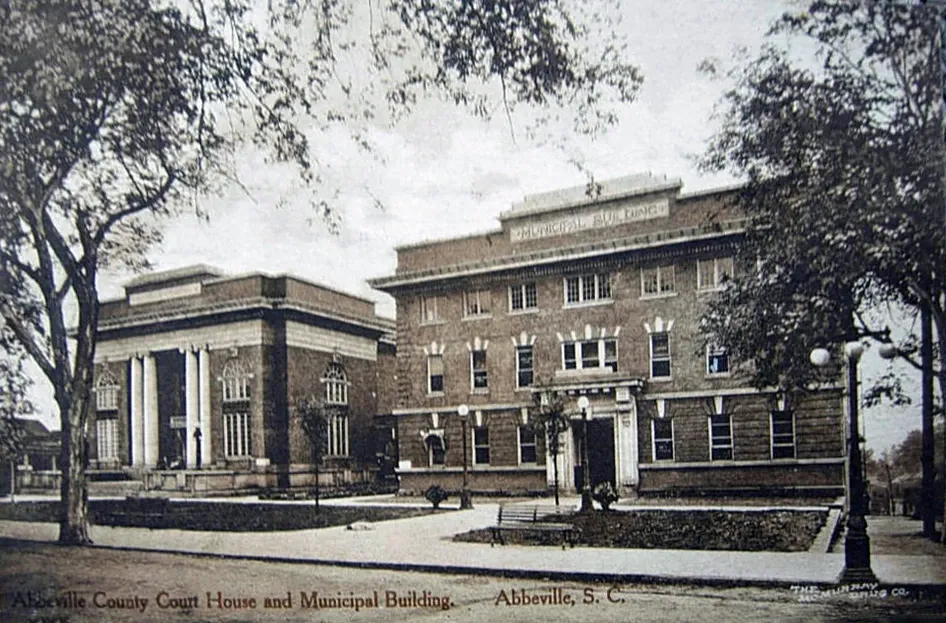
At a county meeting on November 13, about 200 people endorsed the resolutions and authorized a committee of twelve men from town and countryside to promote understanding and observance of the law. Authorization described what the committee was to do. It did not, by itself, establish that the men had begun the work or made it safe to stay. The November 8 newspaper had already reported the arrest of five white men for whipping Black people near the fairgrounds. Those assaults preceded the published assurances. They showed that officials were being asked to contain violence beyond Crawford’s murder. Historian Milton C. Sernett reports that the expulsion resolution was eventually revoked, although fear encouraged departures from the county.
Reasons to leave
Local merchants’ desire for Black residents to stay could not outweigh every reason for leaving. War in Europe had sharply reduced immigration to the United States while production of supplies for the Allies expanded northern industry. Railroads and Pennsylvania steel mills sought Black workers in the South, with recruiting agents offering transportation as well as the prospect of higher wages. In his 1920 study of wartime migration, Emmett J. Scott reproduced a report from an unnamed Black newspaper with a correspondent in Abbeville. It described departures and plans for more, linking Crawford’s treatment to the search for better employment. Its account joined outrage at the killing to expectations of a different life elsewhere.
Investigators disagreed about how to weigh these influences. Writing in a federal study published in 1919, T. J. Woofter Jr. reported that ticket agents, farmers and businessmen emphasized labor recruitment and higher wages in explaining departures around Abbeville. Those were the emphases Woofter reported from his informants. They did not establish how much weight any particular departing household gave to fear or wages. In the same volume, W. T. B. Williams stressed insecurity from mob violence. Crawford’s murder, he argued, had shown Black people that character and achievement could not secure protection. Recruitment and fear were compatible explanations. A job offer could make departure possible for someone who already wanted to escape. Better wages and greater safety could be aims of the same move. A local promise of order would have to be weighed against what a household hoped to gain elsewhere.
An investigation into Crawford’s murder did produce criminal proceedings. The Lancaster News reported in December that eight men had been held for circuit court on murder charges after a preliminary hearing. In March 1917, the Bamberg Herald reported that a grand jury had refused to indict eight men accused of the lynching. Arrests and hearings had given way to a refusal to carry the murder charges forward. Commercial dependence had helped change the public response. Merchants had reason to want Black customers back and workers to remain, and retreat from expulsion offered the Crawfords a prospect of staying on their land. Yet the resolutions could not settle whether local leaders could provide the dependable protection the family still sought in Walter’s December appeal.